Last Updated: November 29, 2026 | Read Time: 9 minutes
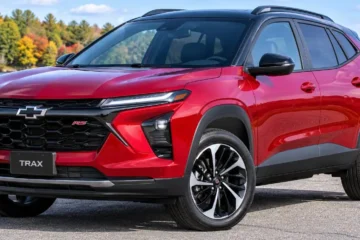
The Chevrolet Blazer EV is an electric SUV that tries to do two jobs at once. In its LT and RS forms, it is a practical five-passenger family crossover with an EPA-estimated range of up to 312 miles. In SS form, it becomes a high-performance electric SUV with up to 615 horsepower when Chevrolet’s Wide Open Watts (WOW) mode is activated.
That range between sensible and seriously fast is the Blazer EV’s big idea. It is also part of its challenge. The model had a difficult launch, with software problems serious enough for General Motors to issue a stop-delivery instruction for certain 2024 vehicles in December 2023. The vehicle has since received software and production updates, and the 2026 model benefits from a more mature product offering. However, its early history and subsequent safety recalls are important considerations for buyers.
This guide covers what a buyer needs to know about the 2026 Chevrolet Blazer EV: trim differences, pricing, horsepower, EPA range, charging, estimated running costs, reliability, recalls, and how it compares with other electric SUVs.
** A note on numbers: Prices and specifications can vary by trim, drivetrain, equipment, destination charges, and model year. This guide prioritizes Chevrolet’s 2026 information and official EPA data where available. Independent reviews are identified as such. Always confirm the exact configuration and current price with Chevrolet or a dealer before buying.
At A Glance – 2026 Chevrolet Blazer EV Key Facts
| Specification | 2026 Chevrolet Blazer EV |
|---|---|
| Body style | Five-passenger electric SUV |
| Platform | GM Ultium-based electric vehicle architecture |
| Wheelbase | 121.8 inches |
| Trims | LT, RS, SS |
| Drivetrain | FWD or AWD, depending on trim |
| LT/RS battery | 85 kWh |
| SS battery | 102 kWh |
| Maximum EPA range | 312 miles, FWD |
| SS EPA range | 302 miles |
| Maximum SS output | 615 hp and 650 lb-ft with WOW mode |
| Maximum cargo capacity | 59.1 cubic feet with rear seats folded |
| Battery limited warranty | 8 years / 100,000 miles |
Powertrain And EPA Range By Configuration
| Configuration | Horsepower | EPA-estimated range |
|---|---|---|
| LT / RS FWD | 220 hp | Up to 312 miles |
| LT / RS AWD | 300 hp | Approximately 283 miles |
| SS AWD | Up to 615 hp with WOW mode | 302 miles |
The 615-hp figure is the SS’s peak output with Wide Open Watts mode enabled. It should not be interpreted as the output available in every driving mode.
Charging
** DC fast charging: Up to 150 kW for LT and RS; up to 190 kW for SS.
** Home charging: Level 2 AC charging is supported. The onboard charging equipment and installation determine the actual charging rate.
** Tesla Supercharger access: Supported with a compatible GM-approved NACS adapter.
** Chevrolet’s published charging estimate: Approximately 10% to 80% in 39 minutes under suitable DC fast-charging conditions.
Starting Prices
Chevrolet’s published 2026 starting prices are:
| Trim | Chevrolet starting price |
|---|---|
| LT | $44,700 |
| RS | $50,500 |
| SS | $60,700 |
These are published starting prices, not necessarily the price of every drivetrain configuration or the final out-the-door price. Destination charges, options, dealer pricing, and incentives can change what a buyer actually pays.
** Important pricing distinction: Some third-party listings show a higher starting figure, including $46,495. Do not assume every difference is caused by destination charges. Check the source’s pricing date, trim, configuration, and included fees before comparing prices.
** Official sources: [Chevrolet 2026 Blazer EV](https://www.chevrolet.com/electric/previous-year/blazer-ev) | [GM’s 2026 Chevrolet EV overview](https://news.gm.com/home.detail.html/Pages/topic/us/en/2026/aug/0810-chevrolet-electric.html)
What The Blazer EV Is
The Blazer EV carries a familiar Chevrolet name into a very different vehicle category. It is a five-seat electric SUV built around General Motors’ Ultium-based electric vehicle architecture. Unlike the older gasoline-powered Blazer, the Blazer EV was developed as an electric vehicle from the beginning. Its design, battery packaging, electric motors, and cabin layout reflect that different purpose.
The exterior is more angular and muscular than the styling of some electric crossovers. The RS and SS versions add distinctive design details, while the SS uses performance-oriented equipment and a more powerful dual-motor drivetrain. The Blazer EV competes in the same broad electric-SUV shopping category as the Tesla Model Y, Hyundai Ioniq 5, and Ford Mustang Mach-E. However, exact size, equipment, price, and range comparisons depend on which versions are selected.
Its main selling points are:
** A maximum EPA-estimated range of 312 miles in FWD configuration.
** A choice between FWD, conventional AWD configurations, and the performance-focused SS.
** A spacious five-seat cabin.
** Up to 59.1 cubic feet of cargo space with the rear seats folded.
** Access to compatible Tesla Supercharger locations using a GM-approved NACS adapter.
The biggest concern is its history of software problems and the need to check applicable recalls on individual vehicles.
Price And Trims: What Each Blazer Costs
Pricing is one of the areas where buyers need to pay attention to the details. Chevrolet’s published 2026 starting prices are $44,700 for the LT, $50,500 for the RS, and $60,700 for the SS.
Third-party sources sometimes show different prices. For example, some listings use a higher starting figure of $46,495. A difference like this should not automatically be attributed to destination charges. It may reflect a different pricing date, configuration, equipment, or pricing basis.
The safest approach is to use Chevrolet’s published starting prices as the manufacturer’s reference and then request a written dealer quote for the exact vehicle.
LT: The Value Entry
The LT is the entry point into the Blazer EV range. It is available with front-wheel drive or all-wheel drive. The FWD version has a single electric motor producing 220 horsepower and 243 lb-ft of torque. It offers the lineup’s maximum EPA-estimated range of 312 miles.
Choosing AWD adds a second motor and increases output to approximately 300 horsepower and 355 lb-ft of torque. The trade-off is a lower EPA-estimated range of approximately 283 miles.
The LT is the most logical choice for buyers who want the Blazer EV’s space and electric range without paying for the additional styling and equipment of the RS or the performance hardware of the SS.
** Best for: Buyers who prioritize price, range, and everyday family use.
RS: The Style And Equipment Upgrade
The RS adds a more distinctive appearance and additional equipment. Chevrolet lists a starting price of $50,500 for the trim. The RS is available in FWD and AWD configurations. The FWD version shares the 312-mile maximum EPA range with the FWD LT. The AWD version offers approximately 300 horsepower and 355 lb-ft of torque, with an EPA-estimated range of approximately 283 miles.
The RS is a sensible middle choice for buyers who want more visual distinction and additional comfort or convenience features without moving to the considerably more powerful SS. However, equipment can vary by package and configuration. Buyers should compare the actual window stickers rather than assuming every RS includes every optional feature.
** Best for: Buyers who want a more distinctive Blazer EV with additional equipment and the choice of FWD or AWD.
SS: The Performance Halo
The SS is the performance-focused Blazer EV. It comes with dual-motor all-wheel drive and a larger 102-kWh battery pack. With Wide Open Watts mode enabled, Chevrolet quotes up to 615 horsepower and 650 lb-ft of torque. Chevrolet also estimates a 0–60 mph time of 3.4 seconds under the specified conditions.
The SS has an EPA-estimated range of 302 miles and supports DC fast charging at up to 190 kW. It is a substantial step up in performance, but buyers should consider the higher purchase price, the cost of performance tires, insurance, and the possibility of higher energy consumption when driving aggressively.
**Best for: Buyers who want high performance from an electric SUV and are comfortable paying more for it.
Which Trim Should You Choose?
** LT FWD: The strongest choice if maximum EPA range and the lowest starting price are the priorities.
** LT AWD: Worth considering if you want additional traction and power.
** RS: A good middle ground if you value its additional styling and equipment.
** SS: The choice for buyers who prioritize acceleration and performance.
There is no single best trim for every buyer. The right choice depends on the balance between price, range, equipment, and performance.
Power And Performance
The Blazer EV offers a wide performance range. The difference between the entry-level FWD models and the SS is substantial.
FWD LT And RS
The front-wheel-drive LT and RS produce 220 horsepower and 243 lb-ft of torque according to GM’s 2026 model information. For everyday driving, this output should be sufficient for normal commuting, city traffic, and highway use. The FWD versions also offer the highest EPA-estimated range in the lineup.
AWD LT And RS
The AWD versions use a dual-motor setup producing approximately 300 horsepower and 355 lb-ft of torque. The additional motor provides more power and the traction benefits of all-wheel drive. The disadvantage is a reduction in EPA-estimated range to approximately 283 miles.
SS
The SS is a different proposition. It produces up to 615 horsepower and 650 lb-ft of torque when Wide Open Watts mode is activated. Chevrolet estimates a 0–60 mph time of 3.4 seconds in WOW mode. This is a manufacturer estimate, not an independently measured result. The SS therefore offers acceleration that puts it in the company of much more expensive performance vehicles, while retaining five-passenger SUV practicality.
What About Towing?
Towing capacity should be checked against the exact model year, drivetrain, equipment, and owner’s manual. The 2025 Blazer EV owner’s manual lists a maximum trailer weight of 1,500 pounds for its FWD and eAWD configurations. That document is useful background, but it should not automatically be treated as confirmation of the rating for every 2026 configuration.
If towing is important, ask Chevrolet or the dealer for the 2026 rating applicable to the exact VIN and equipment. Also consider tongue weight, passenger load, cargo, and the effect of towing on driving range. The Blazer EV is not a substitute for an electric pickup if regular heavy towing or hauling is part of your routine.